
Boundary plants
Thick, clumping boundary plants prevent grass paths creeping in to borders

Chop ‘n’ drop
Plant comfrey by your fruit trees, then chop the leaves once or twice a year and mulch in-situ. This is the chop ‘n’ drop comfrey mulch technique, no composting required.

Clay lined pond
Nick Balmer wrote a fantastic summary of creating a clay-lined pond in the closed Facebook Forest Garden UK group, reproduced here with his kind permission 🙂

Comfrey
Different techniques for creating comfrey feed

Conduct
Code of Conduct for all Nature Works courses and social media groups

Daylillies
Edible flower heads that last a day, true edimentals

DBIF
An invaluable tool in the wildlife gardeners’ toolbox, The Database of Insects and their Food Plants details scientifically corroborated interactions between insects and plants
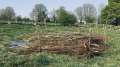
Dead hedge
A dead hedge, made from posts and scrubby branches, is an ideal temporary windbreak and wildlife habitat.

Definition
A self-nourishing wildlife orchard underplanted with edible shrubs and perennial vegetables. Productive, sustainable and low-maintenance 💚 🌳

Diversity
Notes for those who want to take positive action to improve the diversity of people involved with forest gardens and horticulture

Emergency
A forest garden works with nature to grow edible crops, which is why it’s good for combatting Climate Emergency and Mass Extinction. Here are 11 reasons why.

Estimate
Approx time & money estimates for different forest garden jobs, per 100m²

Fruit colour
Most attractive fruit colours to birds

Future Generations
The Wellbeing of Future Generations Act 2015 for Wales


Gallery
A gallery of forest garden plants run by volunteers, with instructions on how to help

Ground cover
A step-by-step guide to establishing a living ground cover: to protect the soil, create a habitat for wildlife and provide you with a harvest. Win, win, win.

Guard
Cheap method of creating substantial deer proof tree guard

Habitat
List of diverse wildlife habitat ideas

Hostas
Many hostas are used as vegetables, list from Martin Crawford’s ‘Creating a Forest Garden’
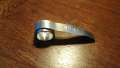
Label
These plant labels keep on expanding with a growing branch
Latin
The Meaning of Latin Names from The Seed Site

Layers
A quick reference for the seven layers of a forest garden, because I can only ever remember 3 of them (see my logo)…

Nest box
Make a bird nesting box for your garden. All you need is 4½ feet of 6"x1" timber, a saw, half a dozen screws, a bit of old inner tube and a hole saw.

Nurse tree
A nurse tree is a temporary shelter plant for a newly planted tree

Nutrients
Summary of how to create a nutrient budget for your forest garden

Perennial veg
Perennial vegetables are less work and more nutritious but it’s a big cultural shift to adopt new veg. Here’s a simple table of perennial vegetable equivalents to annual vegetables to help the process.
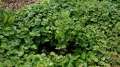

Protection
Plants need protection to survive, particularly in their early stages

Recommended
Recommended books, suppliers, websites and podcasts. Saving you time and enlarging your brain 🧠

Reservoir
Reference for constructing Martin Crawford’s gravity filtered reservoir

Rootstocks
Fruit varities are grafted on rootstocks, which determine the trees height and vigour. This is a quick reference for the different rootstocks available.

Spacing
The gaps between tree canopies should be about ¼ to ½ of the average tree canopy diameter. This is to allow enough light to reach the understorey plants.

Spreadsheets
Sortable spreadsheets to help you find suitable plants more easily
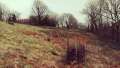
Stacking functions
A permaculture design term for elements with multiple functions

Survey
Checklist for surveying your site

Tools
These are my most favourite tools, really here for my own reference!

Top 10 perennial veg
Inspired by Backyard Larder, Incredible Vegetables and Martin Crawford, here’s my ‘it could change at any moment’ top 10 perennial veg

Walkthroughs
List of practical walkthrough videos to accompany online forest garden course


Wildlife features
Checklist of invaluable features for your wildlife friendly garden

Windbreak
Protection is critical in the forest garden and windbreaks provide habitat and food as well as protection from the wind.
