class: center, middle # Canopy layer _Plant the big trees_  ##### [The Backyard Forest](https://www.natureworks.org.uk/backyard/) by [Jake Rayson](https://www.natureworks.org.uk/) [natureworks.org.uk/backyard/canopy](https://www.natureworks.org.uk/backyard/canopy/) ###### **Press `P` to see notes and credits**<br>Work licensed under [Creative Commons Attribution-NonCommercial-ShareAlike](http://creativecommons.org/licenses/by-nc-sa/4.0/), embedded work may have other licenses. ??? * Greetings & welcome to The Backyard Forest * This is section 6, all about the canopy layer, the big trees * Before we begin, couple of things to be aware of * Slideshow always available online * Press `p` for notes --- # Course overview <img class="right-img" alt="Looking up at leaf canopy" src="https://res.cloudinary.com/growdigital/image/upload/w_390,h_219/v1580816620/garden-canopy-14887496439.jpg"> 1. [Introducing](../intro/) 2. [Plan](../plan/) 3. [Design](../design/) 4. [<span class="u-bg-aqua">Protect</span>](../protect/) 5. [<span class="u-bg-aqua">Perennial Veg</span>](../veg/) 6. [<span class="u-bg-aqua">Canopy</span>](../canopy/) 👈 7. [Ground Prep](../prep/) 8. [Shrubs & Ground Cover](../shrubs/) ??? * Course divided into 3 parts * First 3 are about watching & thinking * Next 3 are *structural* planting * Last 2 are filling in the structure --- # What you’ll learn  * Choosing tree species * Planning trees * Tree planting <h6 class="breadcrumb">Species — Planning — Planting</h6> ??? * Check [Creating a Forest Garden](https://www.agroforestry.co.uk/product/creating-a-forest-garden-2/), lots of info * Can also recommend Martin Crawford book [Trees for gardens, orchard and permaculture](https://www.agroforestry.co.uk/product/tree-for-gardens-orchards-and-permaculture/) --- class: middle, center # 1. Species <h6 class="breadcrumb"><span class="u-underline">Species</span> — Planning — Planting</h6> --- # 1. Species  1. Choose 👈 2. Fruit trees 3. Nut trees 4. Other trees <h6 class="breadcrumb"><span class="u-underline">Species</span> — Planning — Planting</h6> --- # 1.1 Choose  * Crop 👈 * Size * Position * Wildlife <h6 class="breadcrumb"><span class="u-underline">Species</span> — Planning — Planting</h6> ??? * Fruit, nuts, leaves, sticks, firewood --- # 1.1 Choose  * Crop * Size 👈 * Position * Wildlife <h6 class="breadcrumb"><span class="u-underline">Species</span> — Planning — Planting</h6> ??? * Choose for size of garden * Small garden can have trees, depends on size **and** shape eg Italian Alder --- # 1.1 Choose  * Crop * Size * Position 👈 * Wildlife <h6 class="breadcrumb"><span class="u-underline">Species</span> — Planning — Planting</h6> ??? * How exposed? Make shelter! * How close to buildings, utilities, neighbours? --- # 1.1 Choose  * Crop * Size * Position * Wildlife 👈 <h6 class="breadcrumb"><span class="u-underline">Species</span> — Planning — Planting</h6> ??? * Trees encourage wildlife * Native trees generally better for wildlife * Hawthorn example, supports [at least 200 species of insect as a food plant](https://www.brc.ac.uk/dbif/hostsresults.aspx?hostid=1665) * Can have [family tree](https://en.wikipedia.org/wiki/Fruit_tree_propagation#Family_tree) with multiple species on one rootstock. Normally apples but could have hawthorn! --- # 1. Species  1. Choose 2. Fruit trees 👈 3. Nut trees 4. Other trees <h6 class="breadcrumb"><span class="u-underline">Species</span> — Planning — Planting</h6> --- # 1.2 Fruit trees  * [Rootstock](/rootstock/) 👈 * [OrangePippin.com](https://www.orangepippin.com/) * Flowering group * Prune <h6 class="breadcrumb"><span class="u-underline">Species</span> — Planning — Planting</h6> ??? * Consider training fruit tree for smaller space --- # 1.2 Fruit trees 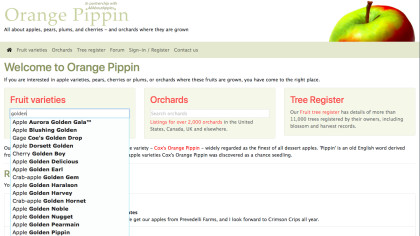 * [Rootstock](/rootstock/) * [OrangePippin.com](https://www.orangepippin.com/) 👈 * Flowering group * Prune <h6 class="breadcrumb"><span class="u-underline">Species</span> — Planning — Planting</h6> --- # 1.2 Fruit trees 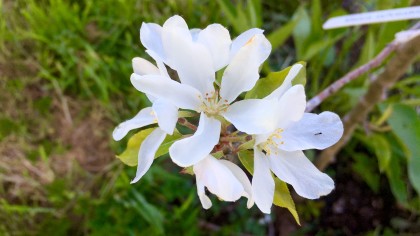 * [Rootstock](/rootstock/) * [OrangePippin.com](https://www.orangepippin.com/) * Flowering group 👈 * Prune <h6 class="breadcrumb"><span class="u-underline">Species</span> — Planning — Planting</h6> ??? * Many fruit trees require a pollinating partner, ie they aren't self fertile. * Check with [RHS](https://www.rhs.org.uk) PDF [Apple Pollination Groups](https://www.rhs.org.uk/advice/pdfs/applepollinationgroups.pdf) --- # 1.2 Fruit trees 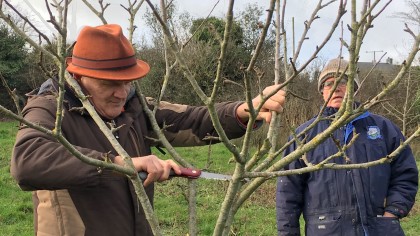 * [Rootstock](/rootstock/) * [OrangePippin.com](https://www.orangepippin.com/) * Flowering group * Prune 👈 <h6 class="breadcrumb"><span class="u-underline">Species</span> — Planning — Planting</h6> ??? * Learn how to prune! Find local workshop. * Cultivated fruit trees need pruning * Increases harvest, prevents disease * Overloaded fruit tree can damage tree Photo is [Martin Hayes](https://www.theapplemancan.uk), working with [The People’s Orchard](http://www.stdogmaelsabbey.org.uk/peoplesorchard) in St Dogmaels, Pembrokeshire --- # Unusual fruits 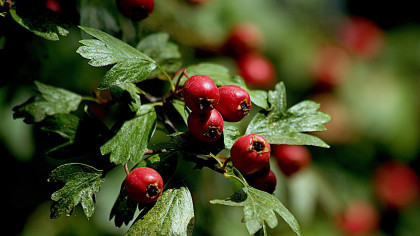 * Hawthorn 👈 * Sea Buckthorn * Cornus * Juneberry * Elaeagnus <h6 class="breadcrumb"><span class="u-underline">Species</span> — Planning — Planting</h6> --- # Unusual fruits  * Hawthorn * Sea Buckthorn 👈 * Cornus * Juneberry * Elaeagnus <h6 class="breadcrumb"><span class="u-underline">Species</span> — Planning — Planting</h6> --- # Unusual fruits 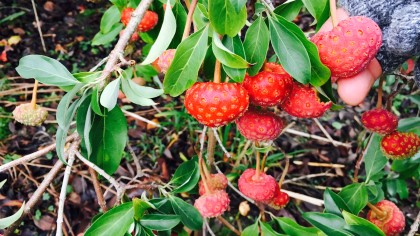 * Hawthorn * Sea Buckthorn * Cornus 👈 * Juneberry * Elaeagnus <h6 class="breadcrumb"><span class="u-underline">Species</span> — Planning — Planting</h6> ??? * Cornus capitata, Bentham‘s Cornel * Cornus kousa, very ornamental --- # Unusual fruits  * Hawthorn * Sea Buckthorn * Cornus * Juneberry 👈 * Elaeagnus <h6 class="breadcrumb"><span class="u-underline">Species</span> — Planning — Planting</h6> ??? * Some Amelanchiers beautiful trees, A. canadensis, A. lamarckii * Shrubby Saskatoon A. alinfolia more productive --- # Unusual fruits 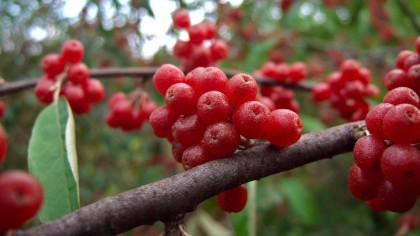 * Hawthorn * Sea Buckthorn * Cornus * Juneberry * Elaeagnus 👈 <h6 class="breadcrumb"><span class="u-underline">Species</span> — Planning — Planting</h6> ??? * E. umbellata & E. x ebbingei, pretty big to about 5m * Quite shrubby! * Goumi E. multiflora smaller still --- # 1. Species  1. Choose 2. Fruit trees 3. Nut trees 👈 4. Other trees <h6 class="breadcrumb"><span class="u-underline">Species</span> — Planning — Planting</h6> --- # 1.3 Nut trees 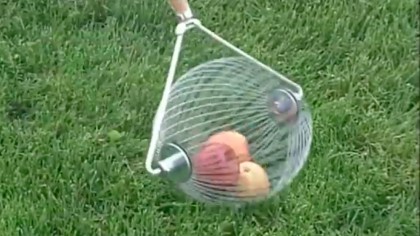 * Harvest 👈 * Squirrels * Hazel * Sweet Chestnut <h6 class="breadcrumb"><span class="u-underline">Species</span> — Planning — Planting</h6> ??? * Martin Crawford book, [How to grow your own nuts](https://www.agroforestry.co.uk/product/how-to-grow-your-own-nuts/) * [Nut Wizard](http://www.nutwizard.com/) * Check your ground cover doesn’t hide nuts! Can use tarpaulin for harvesting. --- # 1.3 Nut trees 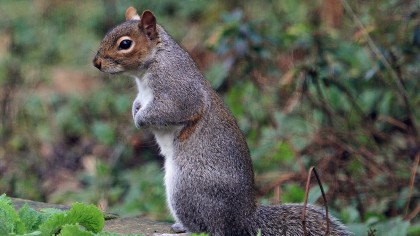 * Harvest * Squirrels 👈 * Hazel * Sweet Chestnut <h6 class="breadcrumb"><span class="u-underline">Species</span> — Planning — Planting</h6> --- # 1.3 Nut trees  * Harvest * Squirrels * Hazel 👈 * Sweet Chestnut <h6 class="breadcrumb"><span class="u-underline">Species</span> — Planning — Planting</h6> ??? * Good choice for UK, grows natively --- # 1.3 Nut trees 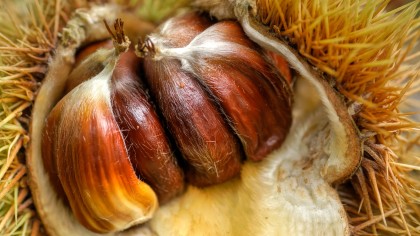 * Harvest * Squirrels * Hazel * Sweet Chestnut 👈 <h6 class="breadcrumb"><span class="u-underline">Species</span> — Planning — Planting</h6> ??? * Brought to UK by Romans, very hard wood used for roof tiles * With climate change, do well in West Wales --- # 1. Species  1. Choose 2. Fruit trees 3. Nut trees 4. Other trees 👈 <h6 class="breadcrumb"><span class="u-underline">Species</span> — Planning — Planting</h6> --- # 1.4 Other trees  * Nitrogen fixing 👈 * Windbreaks * Habitat <h6 class="breadcrumb"><span class="u-underline">Species</span> — Planning — Planting</h6> --- # 1.4 Other trees  * Nitrogen fixing * Windbreaks 👈 * Habitat <h6 class="breadcrumb"><span class="u-underline">Species</span> — Planning — Planting</h6> --- # 1.4 Other trees  * Nitrogen fixing * Windbreaks * Habitat 👈 <h6 class="breadcrumb"><span class="u-underline">Species</span> — Planning — Planting</h6> ??? * For UK, check [Database of Insects and their Food Plants](https://www.brc.ac.uk/dbif/hosts.aspx) --- # My top 10 trees * [Hawthorn](https://pfaf.org/user/cmspage.aspx?pageid=59) * [Italian Alder](https://pfaf.org/user/Plant.aspx?LatinName=Alnus+cordata) * [Sweet Chestnut](https://pfaf.org/user/plant.aspx?LatinName=Castanea+sativa) * [Elder](https://pfaf.org/user/plant.aspx?latinname=Sambucus+nigra) * [Cornus](https://en.wikipedia.org/wiki/Cornus) * [Hazel](https://pfaf.org/user/plant.aspx?LatinName=Corylus+avellana) * [Cherry](https://pfaf.org/user/Plant.aspx?LatinName=Prunus+avium) * [Asian Pear](https://pfaf.org/User/Plant.aspx?LatinName=Pyrus+pyrifolia+culta) * [Small Leaved Lime](https://pfaf.org/user/plant.aspx?LatinName=Tilia+cordata) * [Chinese Cedar](https://pfaf.org/user/Plant.aspx?LatinName=Toona+sinensis) <h6 class="breadcrumb"><span class="u-underline">Species</span> — Planning — Planting</h6> --- class: middle, center # 2. Planning <h6 class="breadcrumb">Species — <span class="u-underline">Planning</span> — Planting</h6> --- # 2. Planning  1. Map 👈 2. Windbreak 3. Spacing 4. Pollination <h6 class="breadcrumb">Species — <span class="u-underline">Planning</span> — Planting</h6> --- # 2.1 Map 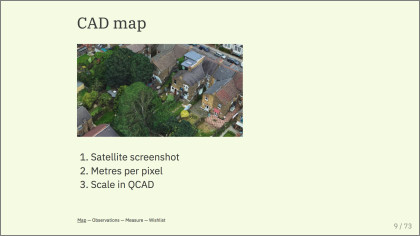 * [Make a map](../plan/) 👈 * CAD or paper * Symbols are light <h6 class="breadcrumb">Species — <span class="u-underline">Planning</span> — Planting</h6> ??? * Make a map! * Not essential **but** damn sight easier * Make the big mistakes first --- # 2.1 Map  * [Make a map](../plan/) * CAD or paper 👈 * Symbols are light <h6 class="breadcrumb">Species — <span class="u-underline">Planning</span> — Planting</h6> --- # 2.1 Map  * [Make a map](../plan/) * CAD or paper * Symbols are light 👈 <h6 class="breadcrumb">Species — <span class="u-underline">Planning</span> — Planting</h6> --- # 2. Planning  1. Map 2. Windbreak 👈 3. Spacing 4. Pollination <h6 class="breadcrumb">Species — <span class="u-underline">Planning</span> — Planting</h6> --- # 2.2 Windbreak  * [Windbreak hedge](https://www.natureworks.org.uk/windbreak/) 👈 * [Nurse tree](https://www.natureworks.org.uk/nurse-tree/) * [Dead hedge](https://www.natureworks.org.uk/dead-hedge/) * [Protect section](../protect/) <h6 class="breadcrumb">Species — <span class="u-underline">Planning</span> — Planting</h6> --- # 2.2 Windbreak  * [Windbreak hedge](https://www.natureworks.org.uk/windbreak/) * [Nurse tree](https://www.natureworks.org.uk/nurse-tree/) 👈 * [Dead hedge](https://www.natureworks.org.uk/dead-hedge/) * [Protect section](../protect/) <h6 class="breadcrumb">Species — <span class="u-underline">Planning</span> — Planting</h6> --- # 2.2 Windbreak  * [Windbreak hedge](https://www.natureworks.org.uk/windbreak/) * [Nurse tree](https://www.natureworks.org.uk/nurse-tree/) * [Dead hedge](https://www.natureworks.org.uk/dead-hedge/) 👈 * [Protect section](../protect/) <h6 class="breadcrumb">Species — <span class="u-underline">Planning</span> — Planting</h6> --- # 2.2 Windbreak  * [Windbreak hedge](https://www.natureworks.org.uk/windbreak/) * [Nurse tree](https://www.natureworks.org.uk/nurse-tree/) * [Dead hedge](https://www.natureworks.org.uk/dead-hedge/) * [Protect section](../protect/) 👈 <h6 class="breadcrumb">Species — <span class="u-underline">Planning</span> — Planting</h6> --- # 2. Planning  1. Map 2. Windbreak 3. Spacing 👈 4. Pollination <h6 class="breadcrumb">Species — <span class="u-underline">Planning</span> — Planting</h6> ??? * Photo by Visjesh K on [Flickr](https://flickr.com/photos/kvijesh/14887496439/) --- # 2.3 Spacing  * Mimic woodland edge 👈 * ¼ to ½ average canopy [diameter](https://www.natureworks.org.uk/spacing/) * Choose the right [rootstock](https://www.natureworks.org.uk/rootstock/) <h6 class="breadcrumb">Species — <span class="u-underline">Planning</span> — Planting</h6> ??? Climax vegetation. Woodland edge is near where cool temperate garden “wants” to be Illustration used with permission from Agroforestry Research Trust --- # 2.3 Spacing 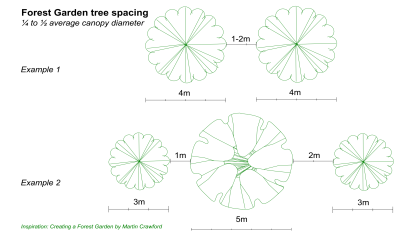 * Mimic woodland edge * ¼ to ½ average canopy [diameter](https://www.natureworks.org.uk/spacing/) 👈 * Choose the right [rootstock](https://www.natureworks.org.uk/rootstock/) <h6 class="breadcrumb">Species — <span class="u-underline">Planning</span> — Planting</h6> ??? * [Tree spacing](https://www.natureworks.org.uk/spacing/) * Illustration inspired by [Creating a Forest Garden](https://www.agroforestry.co.uk/product/creating-a-forest-garden-2/) by Martin Crawford --- # 2.3 Spacing  * Mimic woodland edge * ¼ to ½ average canopy [diameter](https://www.natureworks.org.uk/spacing/) * Choose the right [rootstock](https://www.natureworks.org.uk/rootstock/) 👈 <h6 class="breadcrumb">Species — <span class="u-underline">Planning</span> — Planting</h6> ??? * Check diameter & height of tree on [Plants For A Future](https://pfaf.org/user/Default.aspx) * Illustration from [Johnstown Garden Centre](https://www.johnstowngardencentre.ie/blog/johnstowngardencentre.ie/2016/03/08/rootstocks-explained/) --- # 2. Planning  1. Map 2. Windbreak 3. Spacing 4. Pollination 👈 <h6 class="breadcrumb">Species — <span class="u-underline">Planning</span> — Planting</h6> --- # 2.4 Pollination 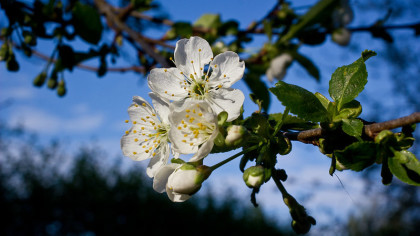 * Many varieties [self-sterile](https://en.wikipedia.org/wiki/Self-incompatibility) * Eg apples, plums & cherries * [Check flowering group](https://www.orangepippin.com/) * Plant pollinator eg [crabapple](https://www.dpi.nsw.gov.au/agriculture/horticulture/pomes/apples/crabapple-pollinators) <h6 class="breadcrumb">Species — <span class="u-underline">Planning</span> — Planting</h6> --- class: middle, center # 3. Planting <h6 class="breadcrumb">Planning — Species — <span class="u-underline">Planting</span></h6> --- # 3. Planting 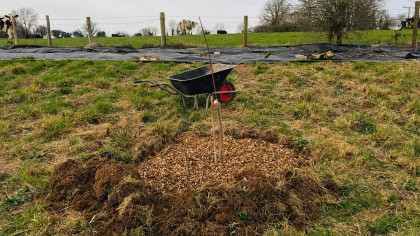 1. Plant 👈 2. Stake 3. Mulch 4. Protect <h6 class="breadcrumb">Planning — Species — <span class="u-underline">Planting</span></h6> --- # 3.1 Plant  * Wash off compost 👈 * Uncurl roots * Dig smallest hole * Water <h6 class="breadcrumb">Planning — Species — <span class="u-underline">Planting</span></h6> ??? * No fertiliser! * Plant young specimens, establish better & quicker --- # 3.1 Plant  * Wash off compost * Uncurl roots 👈 * Dig smallest hole * Water <h6 class="breadcrumb">Planning — Species — <span class="u-underline">Planting</span></h6> --- # 3.1 Plant 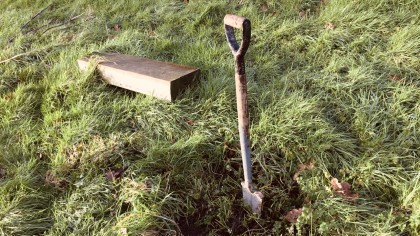 * Wash off compost * Uncurl roots * Dig smallest hole 👈 * Water <h6 class="breadcrumb">Planning — Species — <span class="u-underline">Planting</span></h6> --- # 3.1 Plant 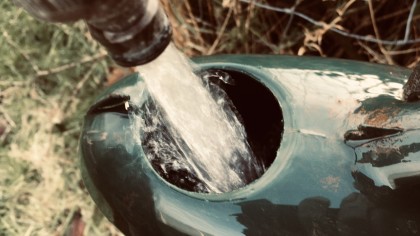 * Wash off compost * Uncurl roots * Dig smallest hole * Water 👈 <h6 class="breadcrumb">Planning — Species — <span class="u-underline">Planting</span></h6> --- # 3. Planting  1. Plant 2. Stake 👈 3. Mulch 4. Protect <h6 class="breadcrumb">Planning — Species — <span class="u-underline">Planting</span></h6> --- # 3.1 Stake  Stake **low**. Don’t stake unless: * Dwarf rootstock * Older, 2m+ high * Very exposed <h6 class="breadcrumb">Planning — Species — <span class="u-underline">Planting</span></h6> --- # 3. Planting  1. Plant 2. Stake 3. Mulch 👈 4. Protect <h6 class="breadcrumb">Planning — Species — <span class="u-underline">Planting</span></h6> --- # 3.3 Mulch 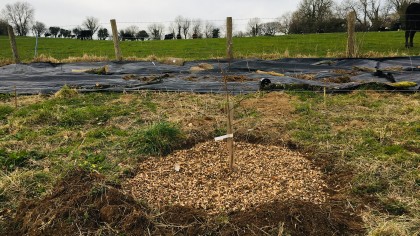 1. Cardboard & wood chip 👈 2. Weed & top-up 3. Grow ground cover <h6 class="breadcrumb">Planning — Species — <span class="u-underline">Planting</span></h6> --- # 3.3 Mulch  1. Cardboard & wood chip 2. Weed & top-up 👈 3. Grow ground cover <h6 class="breadcrumb">Planning — Species — <span class="u-underline">Planting</span></h6> --- # 3.3 Mulch  1. Cardboard & wood chip 2. Weed & top-up 3. Grow ground cover 👈 <h6 class="breadcrumb">Planning — Species — <span class="u-underline">Planting</span></h6> ??? * Ultimate aim --- # 3. Planting  1. Plant 2. Stake 3. Mulch 4. Protect 👈 <h6 class="breadcrumb">Planning — Species — <span class="u-underline">Planting</span></h6> --- # 3.4 Protect 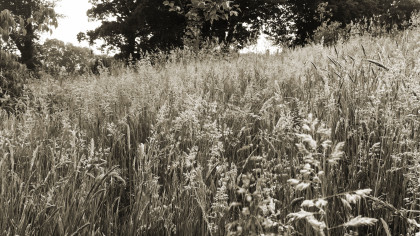 1. Grass 2. Rabbits 🐇 3. Ride-on mowers 🚜 <h6 class="breadcrumb">Planning — Species — <span class="u-underline">Planting</span></h6> ??? * Top tree killers! * And protect from wind! --- # Backyard Forest takeaways  * Grow what you like * Think of the wildlife * Plant for final size <h6 class="breadcrumb">Species — Planning — Planting</h6> --- class: middle, center # The End 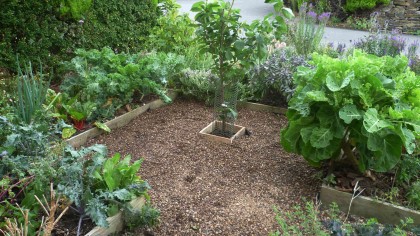 <hello@natureworks.org.uk> [natureworks.org.uk/newsletter](https://www.natureworks.org.uk/newsletter) Music: _[Chegsticks](https://iamthemightyjungulator.bandcamp.com/track/chegsticks-3) by [I Am The Mighty Jungulator](https://iamthemightyjungulator.bandcamp.com)_